Bread lines and interlining
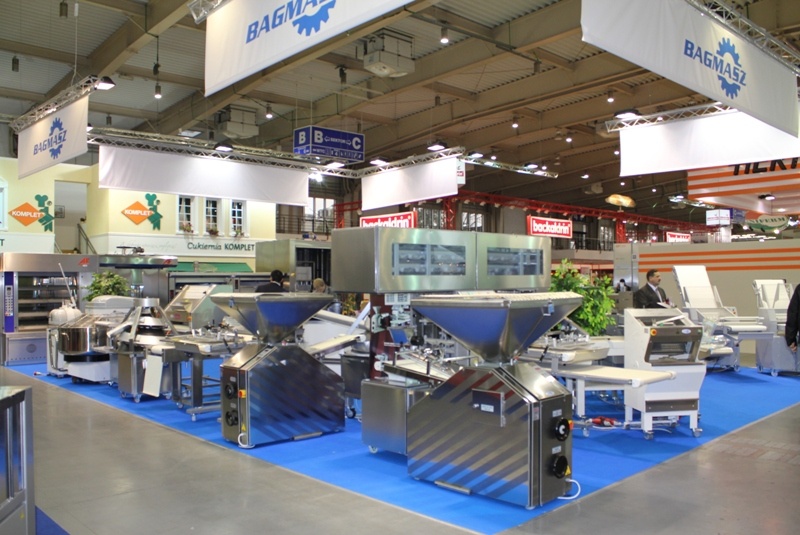
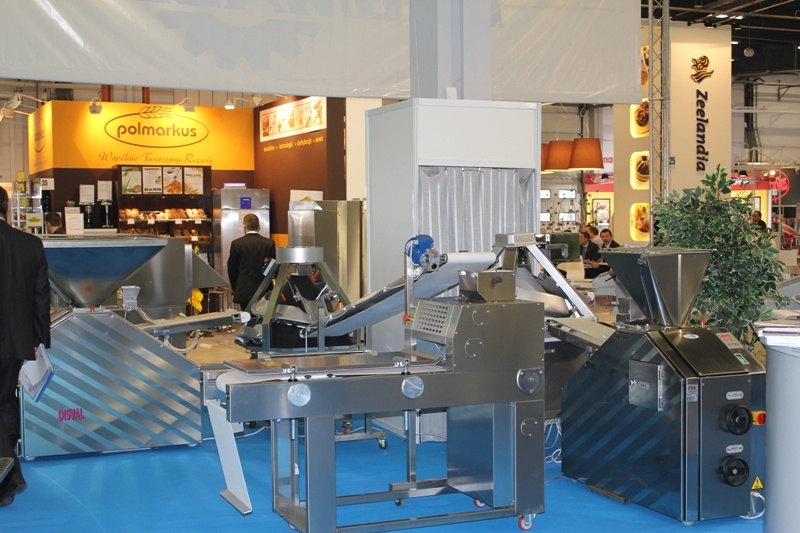
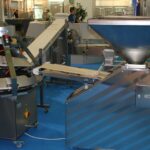
A bread line with a static intergenerator means quality comparable to manual processing. Bread lines also reduce many costs in your bakery.

Product description
ADVANTAGES OF BUYING A BREAD LINE
Increased labour costs, a chronic shortage of professionals in the bakery industry and the constantly rising costs of energy and heating utilities are constantly driving our customers towards the decision to modernise their bread production. On the other hand, the expected reproducibility of production and a higher work rate should not raise concerns about product quality, taste and external appearance. In keeping with the structure of our esteemed customers' expectations, for many years we have been offering a bread-making line from the Spanish company DISVAL.
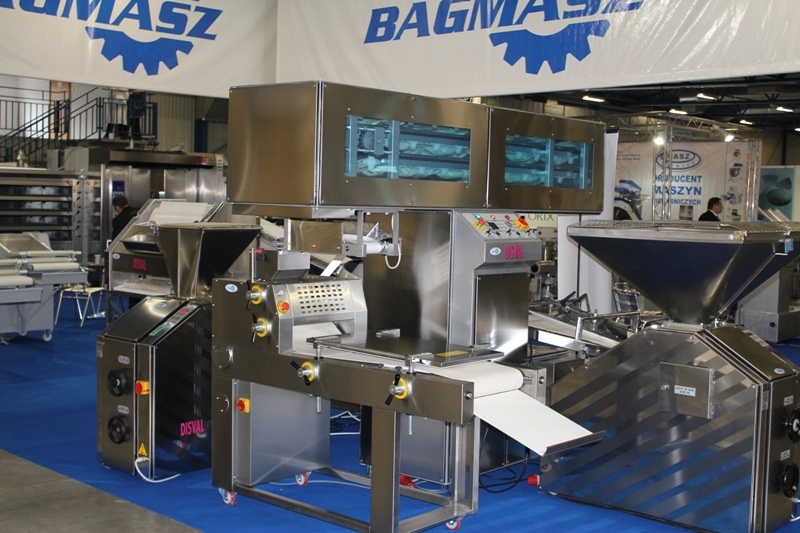
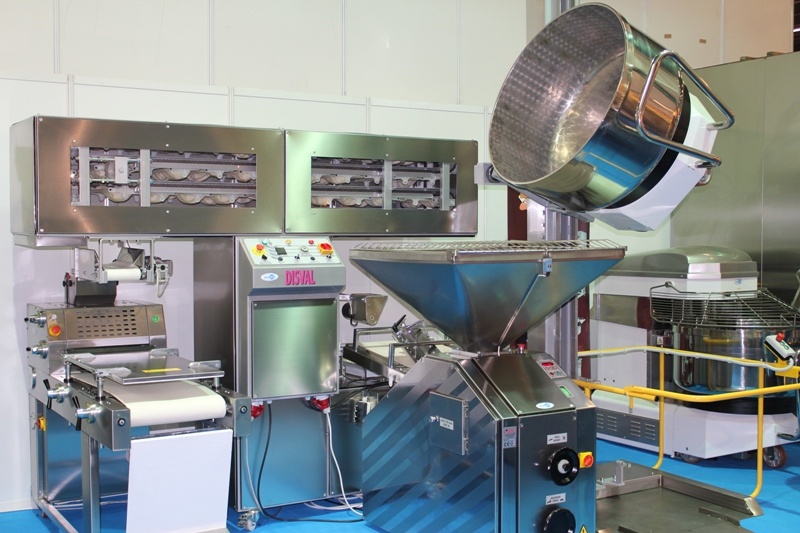
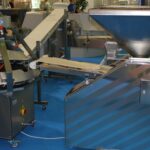
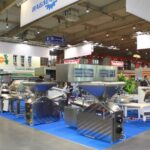
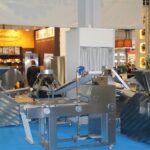
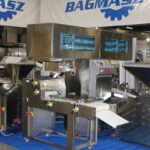
The solution offered by Bagmasz has many advantages. Its compact and well-thought-out design makes it possible to assemble our four machines (dividing machine, rounding machine, intermediate proover, lengthening machine) into a production line of various configurations depending on the space available in the bakery. The technical solutions minimise the phenomenon of the so-called "dough fatigue", at the same time ensuring production repeatability. While maintaining the optimum working speed, a two-person crew is sufficient to operate our line, minimising personnel costs. The individual machines have a low "appetite" for electricity, so the 3.4 kW that the entire line (4 machines) consumes of the mains load is never a problem for the bakery's electrical installation, let alone the company's budget.
An additional advantage is the possibility of using other peripheral equipment and machines with our line, such as bowl tippers, additional feeders, conveyors, conveyor belts, loading apparatus and trolleys. The line is therefore flexible, modifiable, safe, easy to clean (stainless steel housing), mobile (all machines on wheels) and investor budget-friendly (attractive price).
With these advantages in mind, we present the individual machines below in the order in which they appear in the production line, directing your attention to the principles of operation of these machines and their design
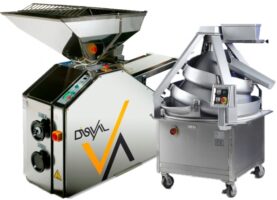
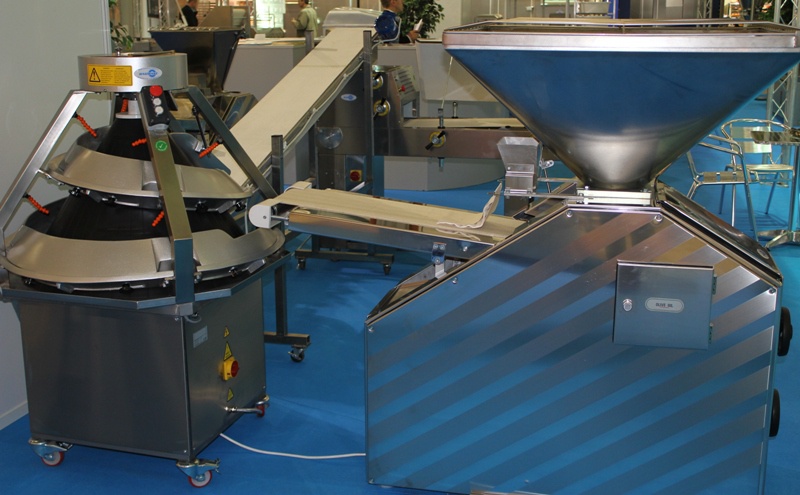
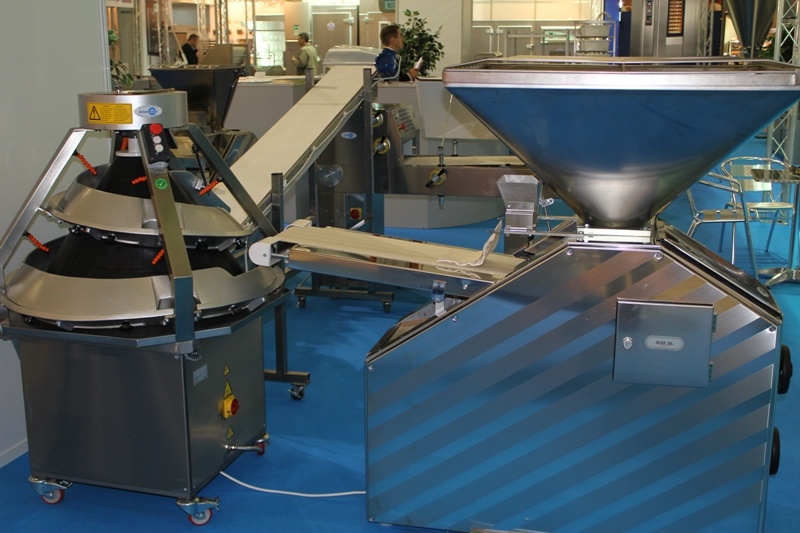
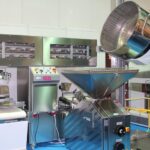
WEIGHTWARE is a machine that makes it possible to eliminate the very difficult and tedious process of weighing pieces of bread dough in the bakery. The weighing machine quickly and very accurately divides a given portion of dough into individual pieces, which makes it possible to maintain a uniform weight of the entire batch of bread produced. The bread line is produced by the Spanish company DISVAL www.tdisval.com
CONSTRUCTION OF THE WEIGHING MACHINE:
- stainless steel housing
- loading hopper with a capacity of 30 to 200 litres (as specified by the investor)
- round piston working in a cylinder, lubricated with vegetable oil in a closed circuit (ecological and economical solution)
- simple, intuitive and safe machine control
- height-adjustable dough piece feeder
- adjustable flour sprinkler
- mobile machine on wheels with brakes
OPERATION OF THE DISVAL BREAD WEIGHING MACHINE
- the operator starts the machine, sets the desired weight parameters and machine speed with the dial and then stops it.
- the person operating the weighing machine lubricates the hopper with vegetable oil so that the dough is well taken up by the piston. The same oil is found in the machine and is used to lubricate the piston running in the rotating cylinder. Finally, the dough is loaded into the hopper using a bowl tumbler or by hand.
It is worth noting here that the majority of weighing machines on the market are lubricated by products derived from crude oil (e.g. various types of paraffin oils supplied to the market by major fuel manufacturers).
- once the machine has been started, the operator determines with the aid of a checkweigher the correct weight and the speed adapted to the pace of the team and/or the other machines.
STOPPING AND MAINTENANCE
The operator immobilises the weighing machine in the position set as optimum, disconnects the power, sweeps the machine of flour dust and removes any residual dough from the hopper. He then lubricates the hopper lightly with oil, leaving the machine ready to be used again.
ADDITIONAL INFORMATION
- The standard machine handles doughs and loose doughs in the range 250 - 1400 g. It is possible to order a machine with other weight parameters and to carry out a technological test in your bakery using the experience of our employee (Mr Zbyszek 603 307 306).
- after many years of operation, it is possible to have our weighing machine overhauled and we will provide a replacement machine (free of charge).
- We are very keen to buy back any used Disval weighing machine, due to its great popularity in the country.
—————————————————————————————————————————————————————————————————————————————————————
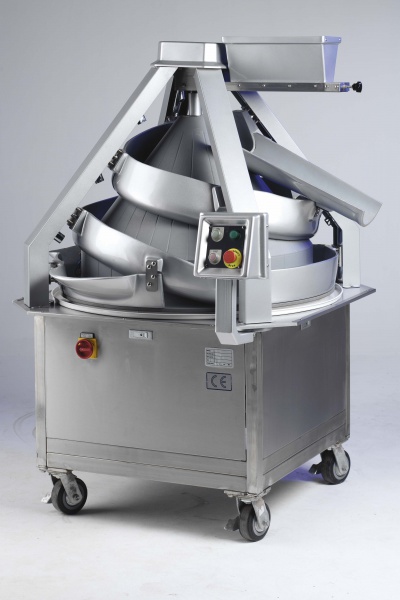
CONICAL ROUNDING MACHINE The SMQ 10, is the second machine in the bread making line. The rounding machine model is specially adapted for the Disval weighing machine and for directing the dough pieces to the static separating machine. The use of this machine makes it possible to streamline the process of preparing the dough for lengthening and to eliminate the hard and difficult work of the bakers. The concern for the comfort and health of the workers is also not insignificant. Many years of manual work with wet dough can result in joint, tendon and muscle disorders of the hands.
CONICAL ROUNDING MACHINE DESIGN:
- stainless steel housing
- Teflonised cone and trough
- flour sprinkler
- two loading points
- mobile machine on wheels with brakes
HOW THE CONE WORKS:
- The operator starts the machine using the START button before switching on the weighing machine
- Directs pieces of dough from the weighing machine to the selected loading place in the cone
- It regulates the size and intensity of the flour sprinkling on the discharge chute, which it directs directly to the loading area of the DISVAL static inter-aggregator.
- The pace of work is set by the first machine, the weighing machine.
RETENTION AND MAINTENANCE:
- after stopping the weighing machine, stop the cone rounder with the START/STOP button and close the flour duster
- the machine must be cleaned of flour and debris must be removed from the lower trough
Any stuck dough fragments from the cone and troughs are removed by rubbing rye flour with your hand.
ATTENTION !!!! Teflonised parts must not be scraped or scrubbed under any circumstances.
ADDITIONAL INFORMATION
1.The standard conical rounder handles tight and loose doughs in the range 250 -1400 g. It is possible to order a rounder with other weight parameters and to carry out a technological test in your bakery using the experience of our employee (Mr Zbyszek 603 307 306).
2.Our machines have been successfully operating on the market for several years. Due to their great popularity, we are very happy to buy back the SMQ10 taper rounding machines from our customers.
3.After many years of use, the rounding machine can be returned for a major overhaul and teflonised, and we will provide a replacement machine for that time.
—————————————————————————————————————————————————————————————————————————————————————
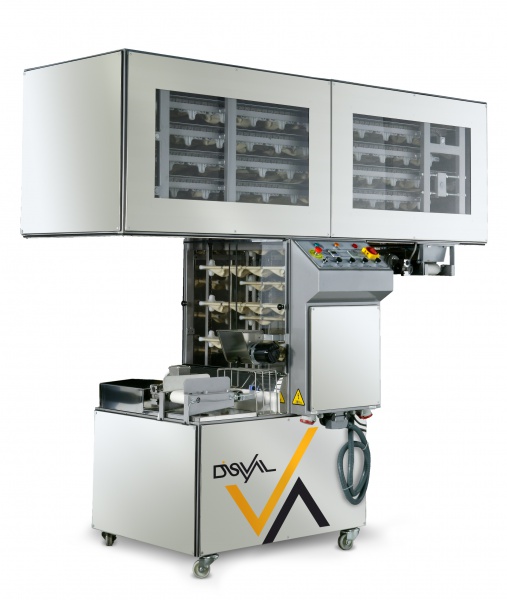
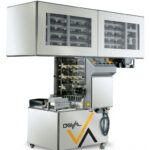
DISVAL STATIC INTERGENERATOR, is another machine in our bread line. In the technological process, time is very often needed for the formed dough piece to stabilise its structure before the elongation process, ensuring the expected quality and repeatability of the bread produced.
TO COPE WITH THESE TASKS, THE MACHINE IS EQUIPPED WITH:
- stable construction based on a steel load-bearing frame,
- stainless steel housings and Plexiglas elements (transparent for process observation),
- felt cages working in a two-, three- or even four-row chain design,
- main control with additional sensors at the dough inlet and outlet,
- additional connections to supply the other machines in the line,
- Sturdy support wheels with brakes for machine mobility.
THE PRINCIPLE OF THE STATIC INTERGENERATOR:
- A rounded piece of dough directed from the trough of the previous machine triggers a photocell, which directs it to a specific next felt basket in between. This control allows dough pieces to be guided flawlessly into up to four more baskets in a single row.
- Once the entire row has been filled, the machine automatically moves up the entire chain with baskets, giving the next row to be filled.
- The dough pieces remain in the machine without leaving the felt basket until they are discharged, which ensures correct dough development
- At the end of the previous machines (end of dough), the intergenerator is switched to discharge mode.
- Unloading takes place on a conveyor belt that sequences the order in which the dough pieces are guided to the lengthening machine via another photocell.
STOPPING THE MACHINE AND ONGOING MAINTENANCE:
- when the last piece of dough leaves the machine, stop the unloading mode and stop the machine,
- sweep the intergrower of flour dust, paying particular attention to the photocells so as not to accidentally change the settings and leave them clean for the next use.
—————————————————————————————————————————————————————————————————————————————————————
The final machine in the bread line is the EXTENDER.
It is this that gives the final desired shape to the loaf of bread that, once baked, will be enjoyed around your customer. Thanks to its repeatability, the batch of bread produced will be more efficiently subjected to subsequent technological processes, up to slicing, packaging and transport.
ELONGATOR DESIGN:
- support structure on wheels with brakes,
- head with dough rolling station equipped with two pairs of Teflon rollers,
- A steel 'collar' for wrapping a piece of dough,
- adjustable forming table,
- drawer for serving finished billets.
OPERATING PRINCIPLE OF THE BREAD ELONGATOR:
- The annealed piece of dough leaves the intermediate belt and falls into the lengthening machine from above into the rolling station.
- Two more pairs of rollers are responsible for carefully rolling out the billet into a thick ellipse-shaped pancake (NOTE: sprinkling flour at this point is not advisable).
- The dough is then wrapped by a heavy steel collar and directed under an adjustable forming table.
- In the shaping zone, a conveyor belt moves the dough piece towards the outlet and a pressing table lined with felt tape finally prepares the loaf.
- After leaving the moulding zone, the finished shaped loaf falls onto a trough, ready to be picked up by the baker and sent to proofing.
STOPPING AND MAINTENANCE OF THE MACHINE:
The extender is only subject to a flour dust sweep. It is also a good idea to look under the cover and check the Teflon rollers and raise the pressure table in the moulding zone to remove any debris.
INSTALLATION, IMPLEMENTATION, GUARANTEE AND POST-PURCHASE SUPPORT OF THE BREAD LINE:
Before making a purchasing decision, it is advisable to take advantage of our experience and order a trial of the machines at your plant, where we will work through a full production shift with your employees to facilitate a positive decision and to introduce your employees to our machines. We will be happy to share our knowledge, provide free transport, assembly, implementation and support by our expert (Mr Zbyszek tel. 603 307 306).
The above devices are new, covered by a 12-month guarantee, warranty and post-warranty service. They have full technical and operational documentation, CE marking.
FINANCING AND LEASING:
If required, using our long-standing contacts, we will assist in obtaining financing through leasing or loans from reputable financial institutions.
WHY INVEST IN A DISVAL BREAD LINE?
To summarise the text above, we offer a simple, effective and low-cost line.
We guarantee the support of Bagmasz, which has a tradition of more than 25 years in selling, installing and servicing bakery and confectionery equipment. We are happy to provide addresses and telephone numbers for users of our lines, where you can get independent feedback.
Do not hesitate to call 603 307 306 .