Electronic scales
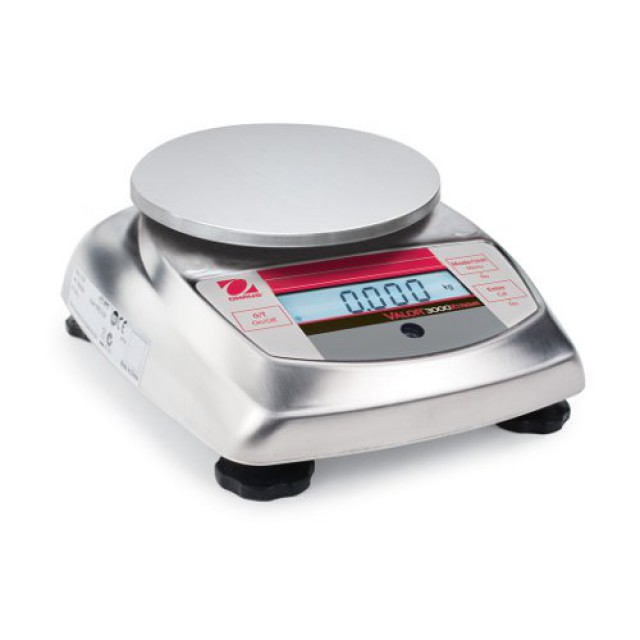
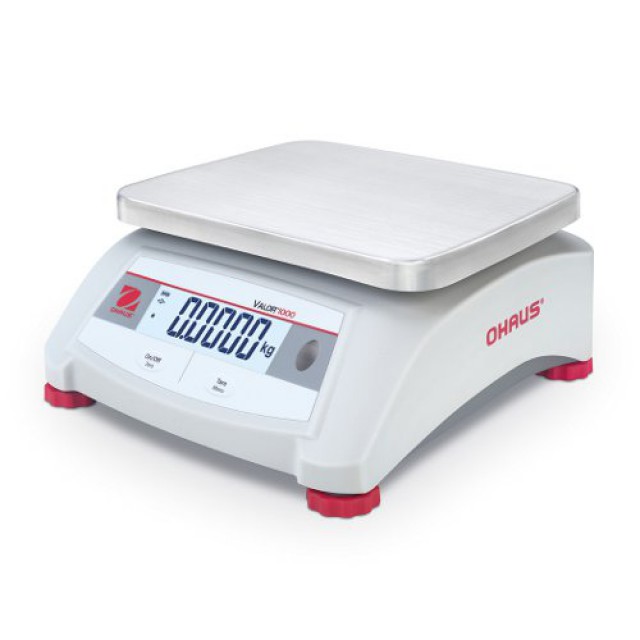
Catering scales, are precision measuring devices used wherever weighing accuracy determines product quality, recipe repeatability and compliance with regulations. In the Bagmasz offer you will find models matched to the needs of bakeries, confectioneries, catering and food retailers, both auxiliary scales and legalised checkweighers for daily production.
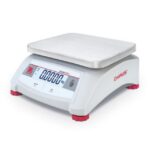
Product description
What are catering scales and where are they used?
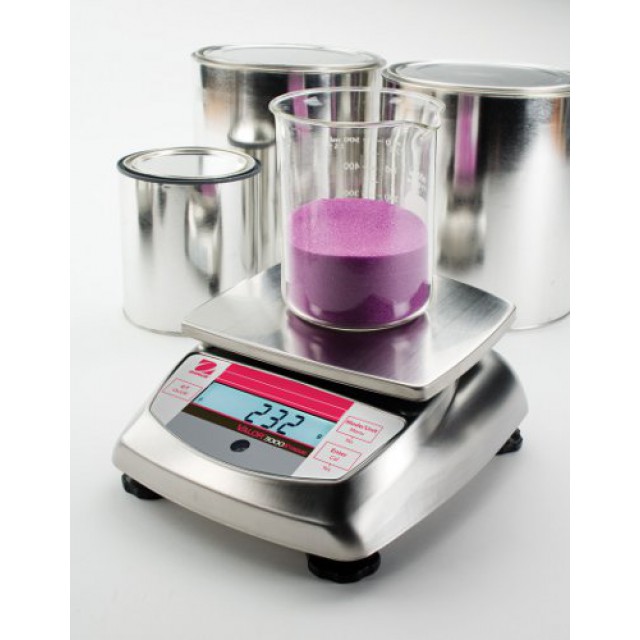
The gastronomic scale is an electronic device for precise weighing of foodstuffs in a professional setting. It is used wherever the grammage of an ingredient translates directly into the end result: taste, consistency of a cake, cost per portion or compliance with a recipe standard.
Works well in:
- bakeries and confectioneries - for measuring out flour, yeast, sugar and flavourings,
- catering establishments - for portioning ingredients and checking the weight of dishes,
- meat processing - as a butcher's scale for meat and sausages,
- retail trade - as shop scales with legalisation for sale by weight.
Bakery and pastry shop scales - precision that translates into bakery quality
Baking and confectionery scales have to meet much higher requirements than household appliances. In bakery and confectionery production, a deviation of as little as 5 g when weighing out yeast or baking powder can change the structure of the entire batch of dough. Therefore, a bakery scale should ensure:
- accuracy of measurement of 1-2 g,
- multiple tare function (tare function involves subtracting the weight of a container or dish from the total weighing result, so that the device only indicates the weight of the ingredient being measured) to count down the subsequent ingredients to a single dish,
- rapid stabilisation time (preferably up to 3 seconds),
- stainless steel pan, easy to clean after contact with flour, fat and paste.
Catering scales for trade and processing - for meat, sausages and food products
Meat scales and butcher scales are models with increased mechanical resistance and higher load capacity, designed for intensive use in butcher shops, meat departments and wholesalers. Food scales in a food environment should be waterproof or at least splash-proof, as fats, meat juices and marinades have a corrosive effect on electronic components. A good food scale has a certified housing (IP65 or higher) and a food-grade stainless steel pan.
What technical specifications does a professional kitchen scale have?
Professional kitchen scales differs from a household scale primarily in terms of durability, weighing range, legalisation capability and a set of functions to support work on the move. Accurate kitchen scales should allow digital calibration and offer a reading in at least several units (g, kg, lb, oz).
Key parameters to look out for:
- weighing range tailored to the application (from 3 kg to 30 kg),
- reading plot (the smaller, the more accurate the measurement),
- type of power supply - battery-powered for mobility, mains-powered for uninterrupted operation during long shifts,
- windbreak - protects against indication falsification by air movements, especially when weighing small weights,
- RS232 or USB port - allows data recording, label printing and integration into the process line system, which is particularly important for large bakery and catering operations that rely on production automation,
- LCD display with backlight - continuously shows the result of the weighing and is easy to read even in poorly lit warehouses or under side-light conditions,
- adjustable feet and spirit level - essential on uneven work surfaces,
- piece counting function - useful for portioning loose products or checking the quantity of an assortment.
Weighing ranges - catering scales up to 10 kg, 15 kg and 30 kg
Choosing a weighing range is one of the key purchasing decisions. A catering scale up to 10 kg works well for measuring ingredients for cakes, creams and sauces, where precision is more important than carrying capacity. A catering scale up to 15 kg is a versatile model that handles both small weights and larger batches. Catering scales up to 30 kg and scales up to 20 kg, on the other hand, are indispensable in industrial bakeries and wholesalers where whole blocks of paste, large quantities of flour or finished products are portioned before packaging.
The principle is simple:
- select up to 10 kgif you weigh mainly spices, yeast, powders and small portions of dough,
- 15-20 kgif you are working with a variety of raw materials in medium weight,
- opt for 30 kgif you weigh large batches or portion bulk products.
In larger production facilities, wholesalers and warehouses, on the other hand, platform scales for catering with a load capacity of up to 60 kg and even warehouse scales with legalisation of up to 150-200 kg, also available from Bagmasz, work well.
Legalisation of catering scales - when is it compulsory and what does it mean in practice?
A catering scale with legalisation is required wherever the result of weighing directly affects the price of the product sold or the trade settlement. This includes butcher's departments, delicatessens, market stalls and any point where you sell goods by weight. An approved shop scale (CE marking + GUM stamp) must be re-legalised every two years, as required by the Central Office of Measures.
Scales without legalisation can only be legally used internally: for portioning ingredients in the kitchen, checking recipes or weighing goods for the company's own purposes. If the result of weighing goes into a receipt or invoice, legalisation is mandatory.
What spoils measurement accuracy? A practical user's guide
A seemingly efficient catering scale can give erroneous results even without any physical malfunction. The reasons for this are often not obvious and are rarely described by manufacturers in the instructions.
The most common factors interfering with weight indication:
- Temperature changes - The strain gauge sensor is sensitive to sudden jumps in temperature. A scale brought out of the cold store and immediately used can indicate results with an error of up to several grams for several minutes. Solution: Always wait 10-15 minutes for temperature compensation.
- Air humidity - high humidity (e.g. over steam during cooking or steam cleaning) affects the electronics and strain gauge mechanism. Scales designed for wet areas should have at least an IP65 protection rating.
- Tabletop vibration - working near a spiral mixer or beater causes micro-vibrations that destabilise the display. Use the scale on a separate, stable countertop or use an anti-vibration mat under the unit.
- Air movements - Air conditioning, open window, supply ventilation above workstation. Windbreak solves this problem when weighing weights under 100 g. For weights above 1 kg, the effect of air movements is negligible.
- Unleveling - Even a slight inclination of the pan can give a systematic error. Check the spirit level after every adjustment of the unit.
How do you look after a catering scale in a professional kitchen?
Regular maintenance of the catering scale prolongs the life of the instrument and maintains measurement accuracy at the required level. Under conditions of intensive use, the scale requires specific treatments, which manufacturers often do not describe in sufficient detail.
How to clean a catering scale step by step:
- Disconnect power before cleaning - never wash a scale connected to the mains or spray it from a spray bottle directly onto the display.
- Remove the pan - Most professional models have a removable pan without tools. Wash it separately in the sink with neutral detergent or dishwashing liquid.
- Clean the housing with a damp microfibre cloth - Soak it with diluted isopropyl alcohol-based disinfectant (max 70%). Avoid chlorine and strong alkaline agents (pH > 10) - they damage the ABS plastic and the lacquer on the case.
- Clean the area around the display with a dry cloth - Moisture penetrating under the display glass is one of the most common causes of display unreadability and electronic failure.
- Check calibration once every 3 months Weighing standard. If the scale shows a deviation above the permissible allotment, carry out a digital calibration according to the instructions or have it carried out by a service technician.
What to avoid: high-pressure cleaners (karcher), soaking the housing, chlorine- and acetone-based agents and rubbing the display with hard materials.
The most common failures of electronic scales after long use and how to prevent them
An electronic scale used daily for several years begins to show characteristic signs of wear and tear. Early recognition of the problem avoids costly repairs or the need to replace the unit.
5 things to know about the long-term use of catering scales:
- Drifting indication (scale "runs away" from zero when the pan is empty) - symptom of worn strain gauge or loose mechanical connections. Solution: regular calibration and avoiding overloading above the nominal weighing range.
- Battery problems - On battery-powered models, the battery loses capacity after 2-3 years, which manifests itself in sudden resets or erroneous readings at low voltage. Power the scale from the mains during long weighing sessions or change the batteries according to your schedule.
- Damage to the display from cleaning products - Aggressive detergents cause dulling or cracking of the LCD glass. Symptoms: unreadable segments, visible streaks when dry. Prevention: only use detergents indicated by the manufacturer.
- Corrosion of the pan - Despite being made of stainless steel, the pan exposed to salt, acids (e.g. lemon juice) and prolonged moisture can discolour or rust in the scratch areas. Dry the pan after each wash and do not leave wet products on the scale for long periods of time.
- Mechanical instability of the feet - after years of use, the rubber feet wear out and the leg nuts can become loose. Check the spirit level every month and replace the feet when the scale starts to wobble.
How do you choose the best kitchen scale for your establishment?
The best kitchen scale is the one that meets the specific requirements of your workplace - not the one with the highest price or the most functions. A catering kitchen scale that is selected to suit your process works without fail for years. Selected wrong - it generates errors and frustration.
How to choose a catering scale - 5 key questions:
- What will it mainly be used for? Portioning ingredients in a pastry shop requires different precision than weighing meat in a butcher's shop.
- What range of weighing is needed? Start with the maximum weight you plan to weigh and choose a model with at least 20% of carrying capacity.
- Does the outcome of the weighing affect the selling price? If so - the scale must have current legalisation.
- What environment will it work in? The wet zone requires IP65+ protection, the area around the baking ovens requires resistance to higher temperatures.
- Do you need print or sales system integration? Check whether the model has an RS232 or USB port.
Have doubts about your choice? Contact us - we will advise you on a model tailored to the specific requirements of your bakery, confectionery or catering business.
FAQ - frequently asked questions about catering scales
Which catering scale is best for a small patisserie?
For a small confectionery shop, a catering kitchen scale with a range up to 5-10 kg and an accuracy of 1 g will suffice. A tare function and a stainless steel pan that is easy to clean are key. Legalisation is not required if the scale is only used for production and not for sales.
What is the difference between a validated scale and a scale without validation?
A scale with legalisation (CE mark + GUM stamp) is legally authorised for trade and can be used as the basis for billing when selling goods by weight. Scales without legalisation can only be used internally, e.g. for portioning ingredients in the kitchen.
How often should a catering scale be calibrated?
It is a good idea to carry out an internal calibration every three months or after every device conversion. Re-legalisation (for commercial scales) is required every 2 years in accordance with the regulations of the Central Office of Weights and Measures.
Is a catering scale suitable for weighing meat?
Yes, provided it has food-grade stainless steel pan and splash-proof housing (min. IP65). Butchers and meat departments usually use butcher scales with a load capacity of 15-30 kg with current legalisation.
Can catering scales be washed with water?
Certified models only Waterproof to IP67 or higher can be washed with a stream of water. Standard catering scales should be cleaned with a damp microfibre cloth - direct soaking of the housing will damage the electronics and display.